
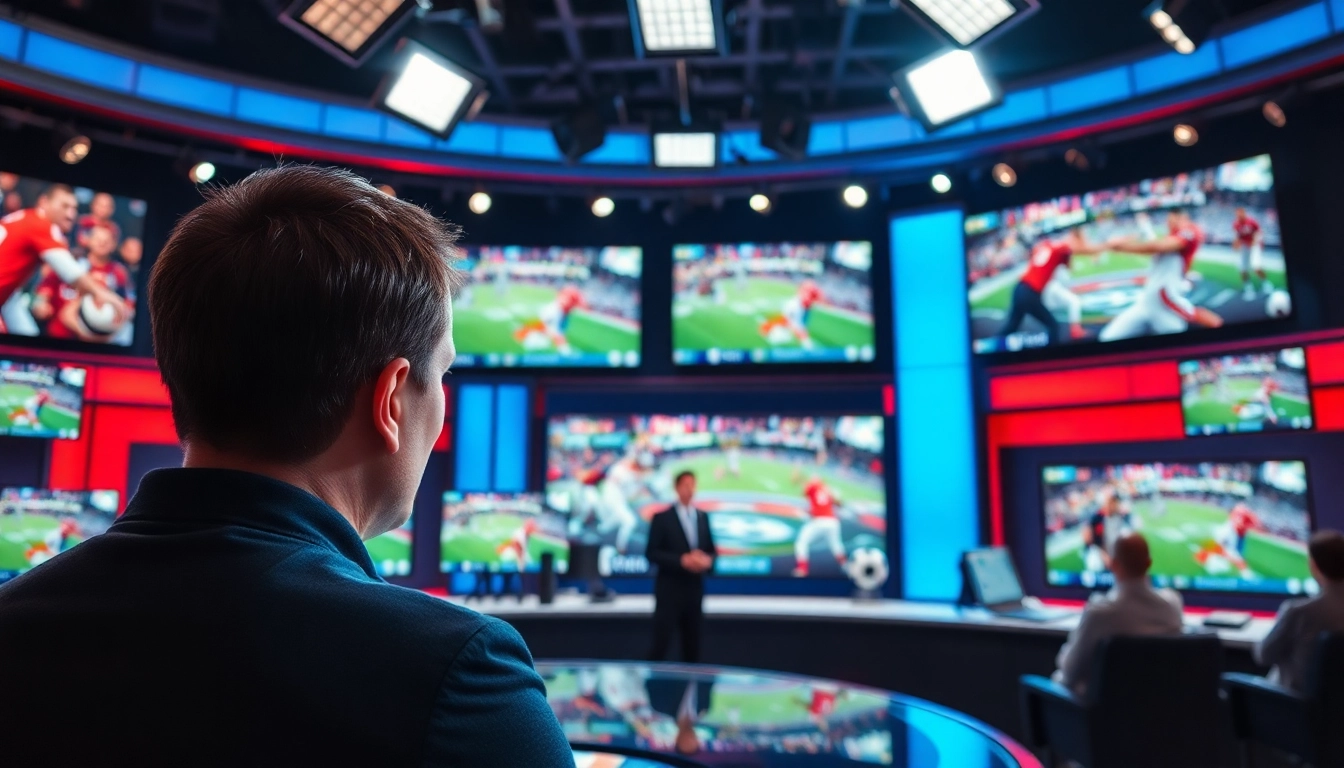
Understanding the Basics of Sports Broadcasting
Definition and Purpose of Sports Broadcasting
Sports broadcasting is the distribution of live sports events via various media platforms, including television, radio, and online channels. Its primary purpose is to deliver real-time coverage of sporting events, providing fans with immediate access to games, highlights, and essential information. By seamlessly blending entertainment and information, sports broadcasting enhances viewer engagement and promotes the cultural significance of sports. As a dynamic field, it continuously evolves, adapting to changes in technology and audience preferences.
Key Technologies Used in Sports Broadcasting
The technology used in Sports Broadcasting has significantly transformed the way audiences experience live events. Key technologies include:
- High-definition Cameras: These cameras provide clear, detailed images, enhancing the viewing experience.
- Drone Cameras: These cameras offer unique aerial perspectives, capturing angles previously unseen by traditional methods.
- Graphics and Augmented Reality: Advanced graphics and AR technology provide real-time stats, replays, and graphical overlays that enrich the storytelling of the broadcast.
- Streaming Services: Platforms that allow for live broadcasting over the internet, making sports accessible on various devices, including smartphones and tablets.
- Social Media Integration: Engaging audiences through platforms like Twitter and Instagram, delivering immediate updates and facilitating interactive experiences.
Major Roles in a Sports Broadcasting Team
Effective sports broadcasting is a collaborative effort, involving multiple roles that contribute to a seamless transmission experience. Some of the key positions include:
- Sportscasters: Often the face of a broadcast, sportscasters provide live commentary and analysis tailored to the audience.
- Producers: They coordinate the broadcast's overall flow, making crucial decisions on timing, content, and segment organization.
- Camera Operators: Essential for capturing the event, they work remotely to ensure the best angles are shown live.
- Technical Directors: Tasked with managing the technical aspects of the broadcast, such as switching between cameras and ensuring high-quality audio.
Essential Skills for Sports Broadcasting Professionals
Communication Skills for Effective Coverage
Strong communication skills are paramount in sports broadcasting. Professionals must articulate complex plays, convey emotions, and engage the audience, all while maintaining clarity. The ability to tailor communication styles for different platforms—from in-depth analysis on television to quick updates on social media—is essential for maximizing audience reach and engagement. Active listening is equally important, as understanding audience feedback can shape content and delivery.
Technical Skills in Equipment Handling
Sports broadcasters must possess comprehensive technical skills involving the use of equipment related to broadcasting. This includes familiarity with cameras, microphones, graphics software, and editing suites. Understanding how to troubleshoot technical issues rapidly can also enhance the overall live experience. Continuous training in emerging technologies ensures broadcasters remain competitive in an evolving industry.
Analytical Skills for Performance Evaluation
Analytical skills allow broadcasters to evaluate sports performances critically. Understanding player statistics, team dynamics, and strategic elements of the game is vital for providing compelling commentary. Additionally, being able to assess viewership data and engagement metrics helps broadcasters refine their approach, enhancing the content's relevance and impact.
Popular Formats and Types of Sports Broadcasting
Live Coverage vs. Pre-recorded Segments
The distinction between live coverage and pre-recorded segments is crucial in Sports Broadcasting. Live coverage provides real-time updates, thrilling audiences with immediate action as it unfolds. Conversely, pre-recorded segments offer opportunities for storytelling, allowing for more polished content that can include highlights, interviews, and in-depth analysis. Both formats have their places, creating a balanced viewing experience.
Studio Shows and Field Reports
Studio shows typically involve a panel of experts discussing various aspects of sports, including game analysis and player interviews. They often incorporate graphics and video clips to support discussions. Field reports, on the other hand, provide on-the-spot coverage directly from the event location, offering immediate insights, player reactions, and atmosphere to viewers. Both formats enrich the narrative and engage different audience segments.
Webcasting and Digital Platform Strategies
Webcasting has surged with the increase of digital platforms. Broadcasters are now leveraging social media, websites, and mobile applications to reach wider audiences. This includes live-tweeting games, creating highlight reels for YouTube, and utilizing Instagram Stories to showcase behind-the-scenes content. Adaptation to digital trends allows sports broadcasters to remain relevant and cater to a younger, tech-savvy demographic.
Best Practices in Sports Broadcasting
Engaging the Audience through Storytelling
At the heart of captivating sports broadcasting lies compelling storytelling. Presenters should highlight significant moments, player journeys, and team histories to foster a deeper connection with viewers. Using narrative techniques—such as foreshadowing key games or dramatic moments—creates excitement and anticipation. Engaging the audience emotionally enhances their viewing experience and drives higher levels of loyalty.
Ethics in Sports Broadcasting Coverage
Adhering to ethical standards in sports broadcasting is essential for maintaining credibility. Broadcasters should strive for accuracy, fairness, and respect for all parties involved. Presenting unbiased views and avoiding sensationalism help ensure the integrity of reporting. Furthermore, understanding the social responsibilities associated with covering sensitive topics like injuries or personal player issues is crucial in building trust with the audience.
Adapting to Emerging Technologies and Trends
Emerging technologies, including virtual reality and artificial intelligence, are already influencing sports broadcasting. Adaptation involves not only integrating new tools but also understanding audience preferences. Regularly updating skills and knowledge in new technology ensures broadcasters can leverage innovations effectively, keeping content fresh and engaging while staying ahead of trends.
Measuring Success in Sports Broadcasting
Key Performance Indicators for Broadcasts
Measuring success in sports broadcasting involves various key performance indicators (KPIs). Common metrics include viewership ratings, market share, and audience retention rates, which provide insight into how well broadcasts are performing. These indicators help broadcasters attract sponsorships and gauge the effectiveness of their content.
Audience Engagement Metrics
Understanding audience engagement is critical. Metrics such as social media interactions, website traffic, and viewer surveys offer valuable data on how audiences perceive broadcasts. Engaging content, responsiveness to feedback, and maintaining dialogues with fans through social media create a loyal viewership base, critical for long-term success in sports broadcasting.
Feedback Loops for Continuous Improvement
Establishing feedback loops is essential for continuous improvement. Encouraging audience input through polls and surveys allows broadcasters to adjust content effectively. By analyzing viewership data and audience responses, professionals can identify trends and areas for enhancement, ensuring broadcasts evolve with their audience's needs.
Frequently Asked Questions
What is Sports Broadcasting?
Sports broadcasting refers to the distribution of live sports events via television, radio, and online platforms to audiences worldwide.
What skills are essential for a sports broadcaster?
Key skills include strong communication, analytical thinking, technical knowledge of broadcasting equipment, and a deep understanding of sports.
How does technology impact sports broadcasting?
Technology enhances viewing experiences through advanced graphics, real-time statistics, and multi-camera setups to engage audiences more effectively.
What are the main roles in a sports broadcasting team?
Common roles include sportscasters, producers, camera operators, and technical directors, each contributing to seamless coverage.
How can I measure success in sports broadcasting?
Success can be measured through audience ratings, social media engagement, and viewer feedback to assess overall impact and reach.